
Monogram
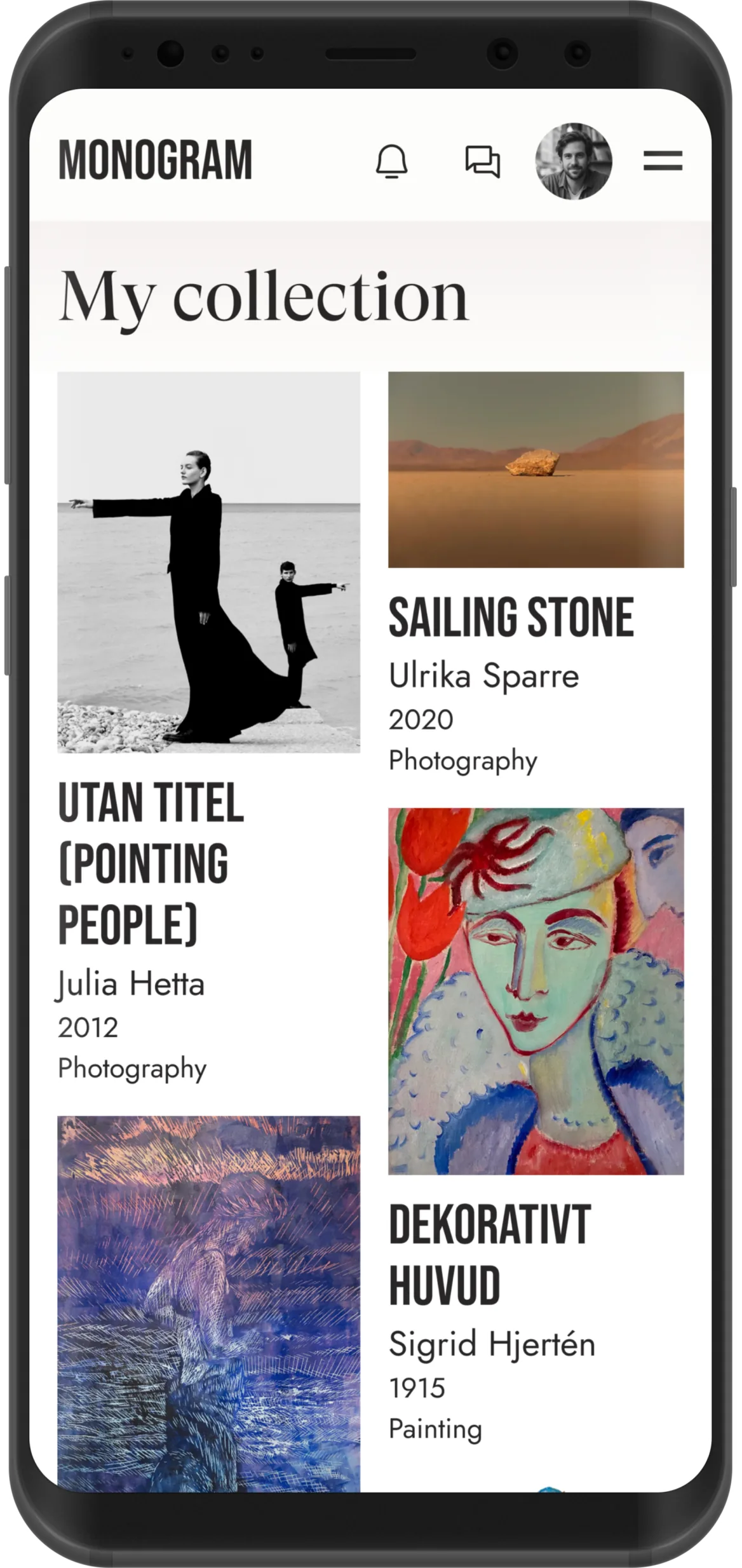
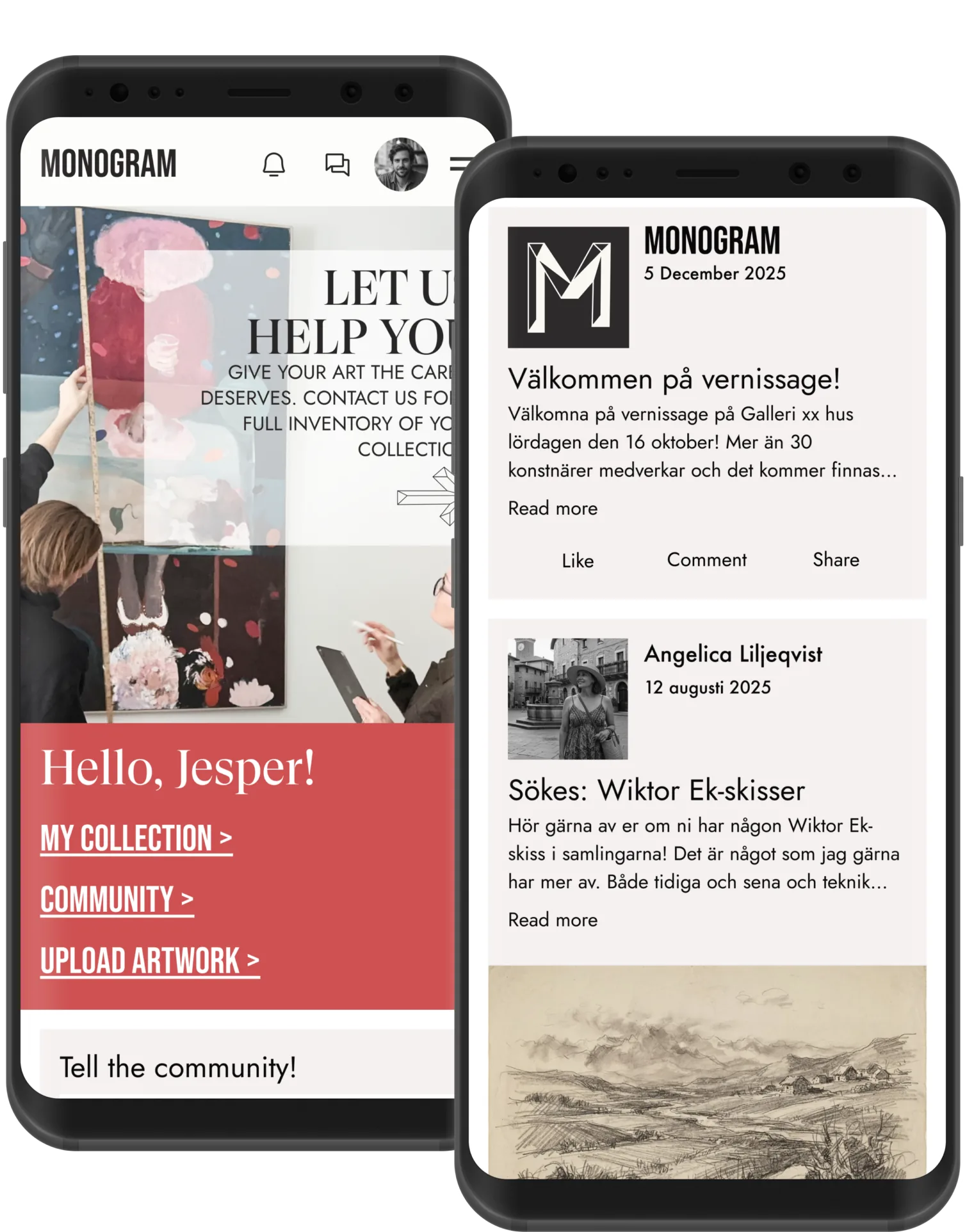
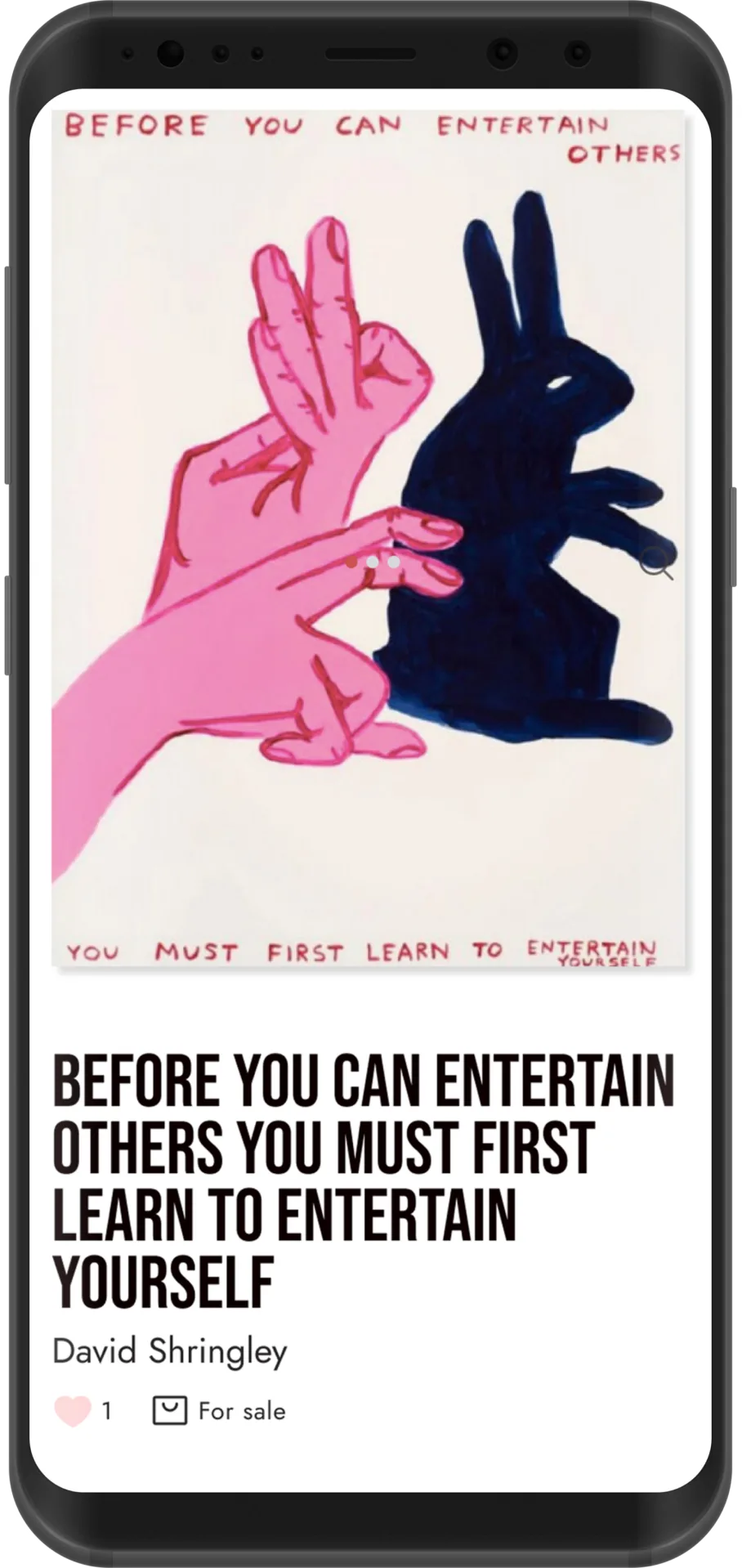
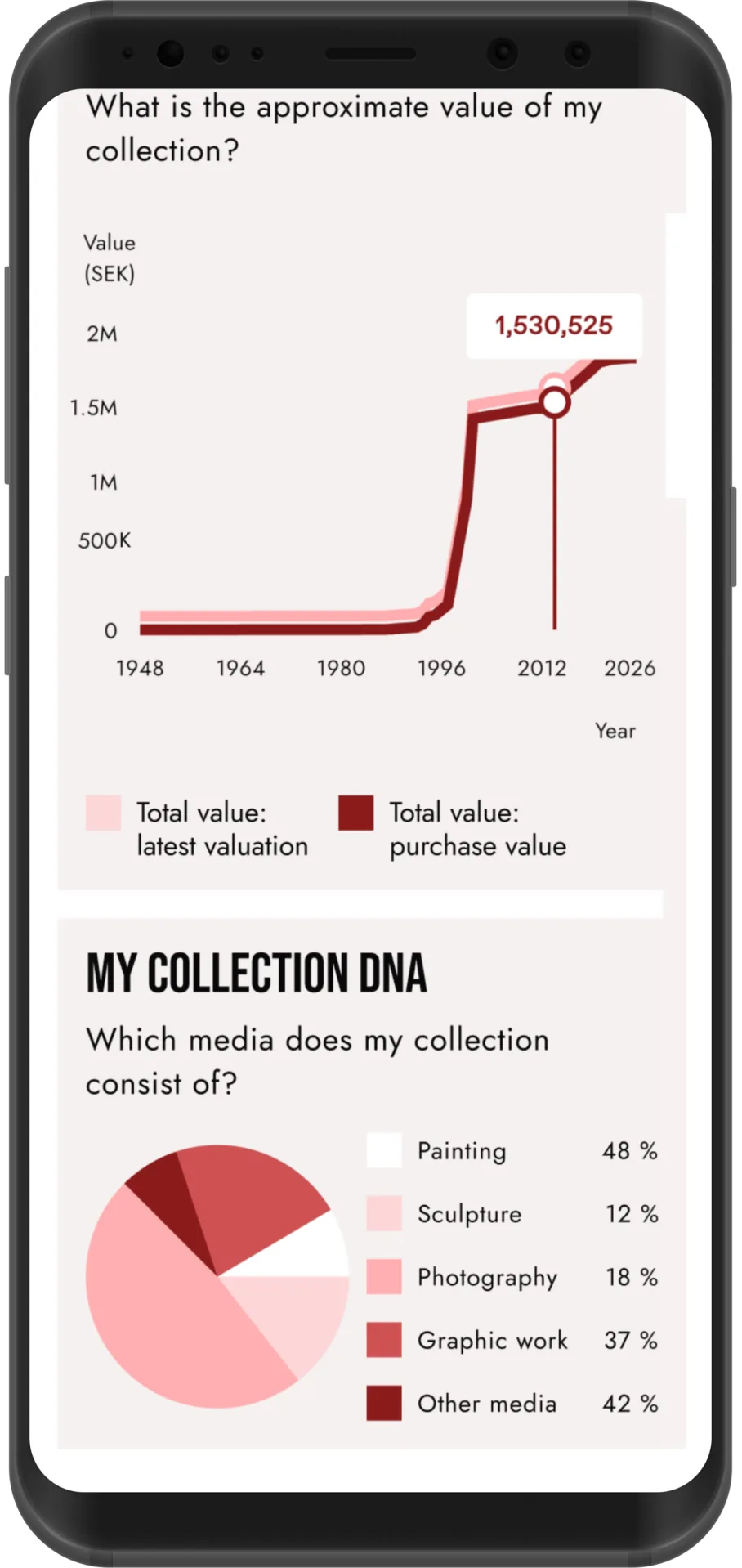
An inventory and social platform for art collectors, combining artwork management, discovery, social features and a marketplace.
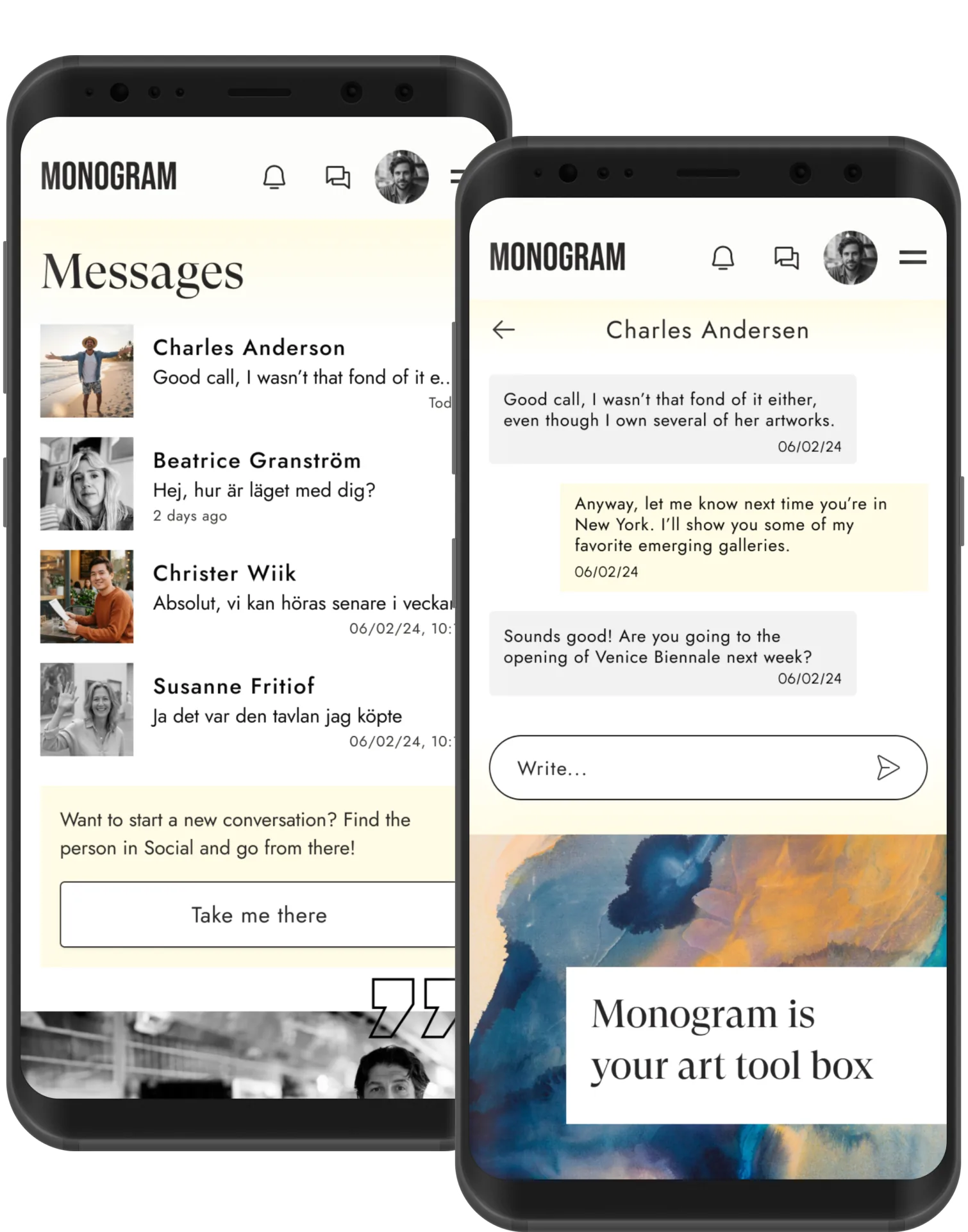
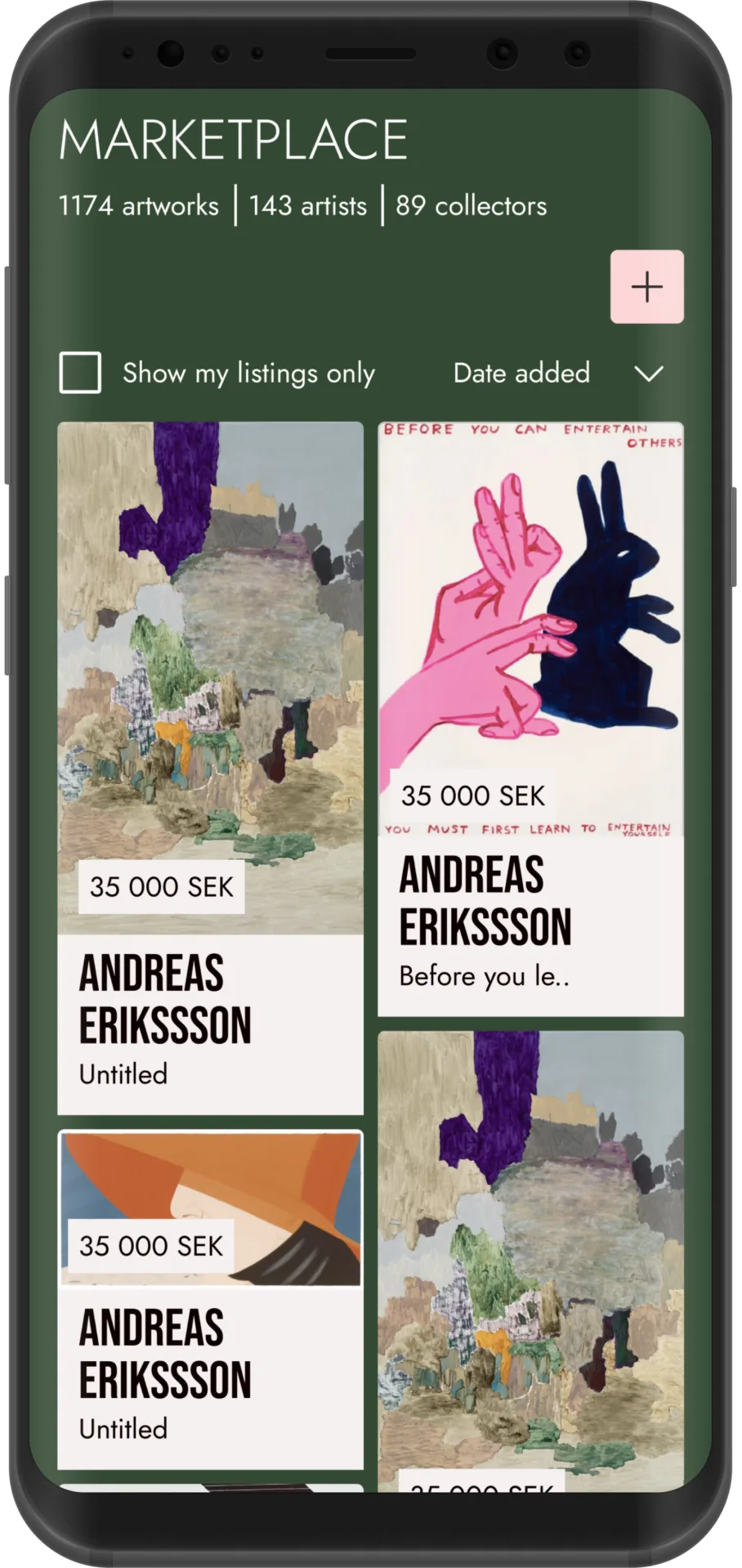
The challenge
Create an experience that feels trustworthy and high-quality, while staying approachable for both new and experienced collectors.
My role
I worked closely with the lead designer across the full product lifecycle, from UX exploration and interface design to testing, iteration and developer handoff. We worked in short sprints, moving between design, feedback, implementation and refinement.
Process & research
Designing through validation: the drawer
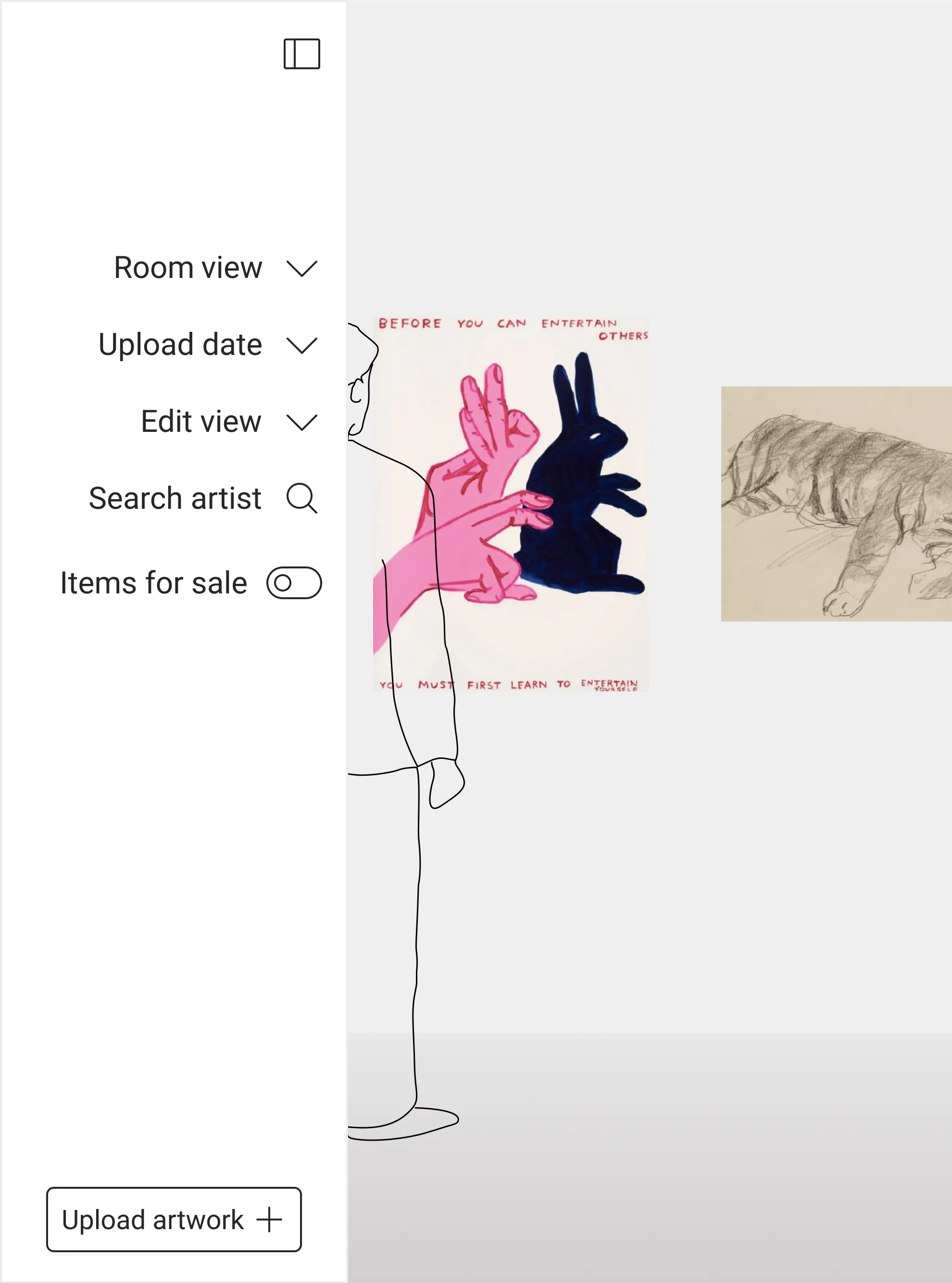
Balancing trust, simplicity and complexity came down to many small decisions. One example is the drawer that holds the additional functions.
- AssumptionUsers might not notice the drawer with additional functions.
- TestWe asked users to do tasks like filtering the collection from oldest to newest.
- FindingEveryone found the menu, but for some it took a moment of thought.
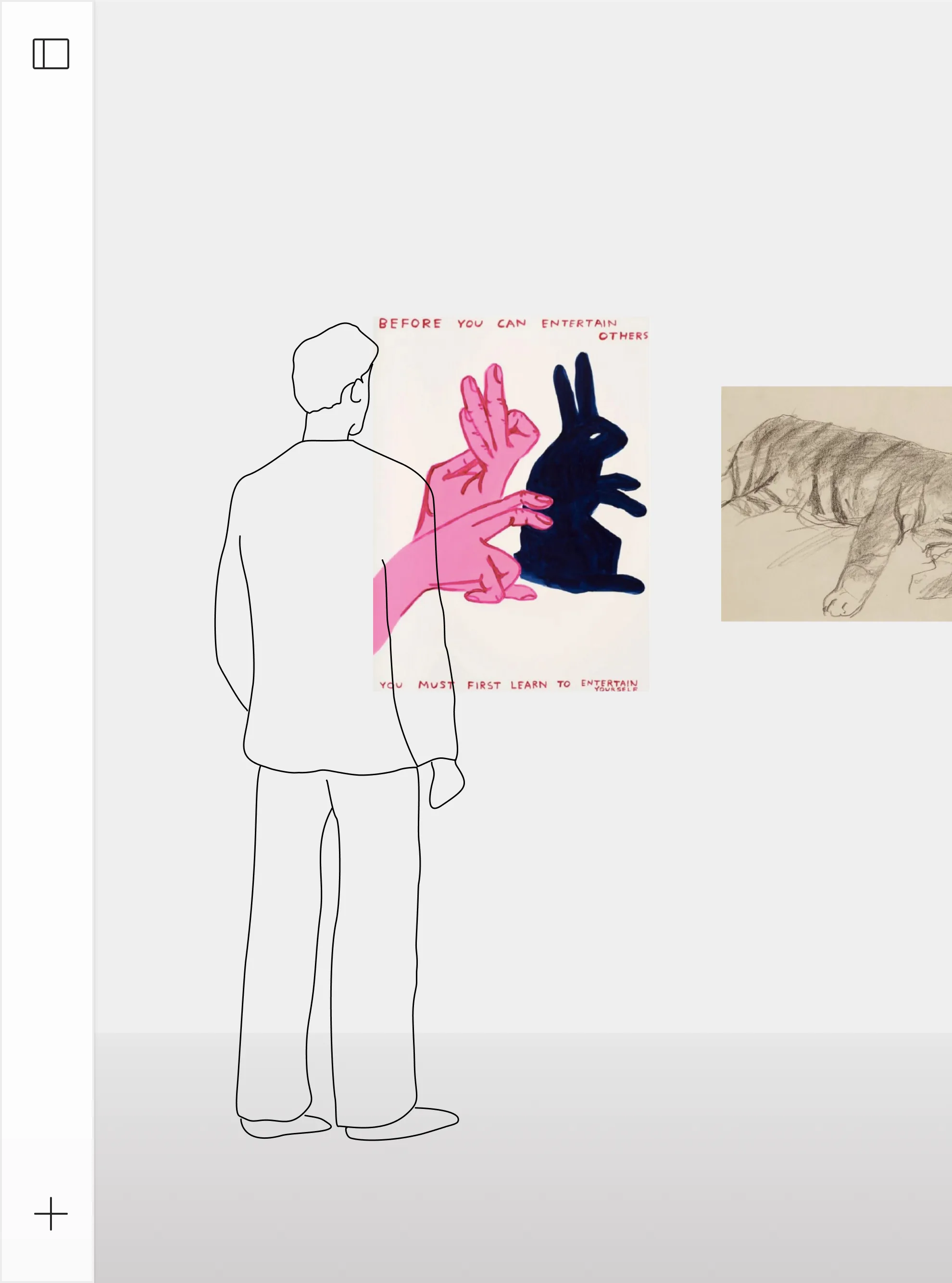
- IterationThe drawer opens by default and closes after a second, just long enough to be noticed.
- ResultA clear space for the page's main purpose, and a feature that's quicker to find.
Results & learnings
My biggest learning was balancing insights from continuous testing with a tight delivery timeline. Working in short sprints with the lead designer and developers taught me to refine solutions without losing focus on shipping. Monogram has now launched, and collectors are using what we built.